Reims - a guide to the heart of Champagne
Reims is a city where history and champagne tradition are intertwined in a harmonious whole. Steeped in centuries of memory, it attracts tourists with its monuments, museums and unique atmosphere of the region. Walking along narrow streets and elegant boulevards, one discovers both traces of the old metropolis and the modern dynamics of life. What is worth seeing and how best to plan a visit?
Location and character of the place
Located in northeastern France in the Grand Est region, Reims is an important point on the map of Champagne. Historically known as Durocortorum, it combines traditional architecture with modern infrastructure, making the city vibrant all year round. Its public spaces, elegant squares and charming promenades create an ideal environment for discovering local culture and traditions.
A brief history
The city dates back to Roman times, when it served as the capital of the Remian tribe. The baptism of the king of the Franks by Bishop Remigius gave Reims not only religious but also political significance. For centuries, the city was the coronation arena for French monarchs, and monuments such as the cathedral and the Tau Palace are reminders of this historical role. Today, traces of the past coexist with modern developments, giving Reims a unique character.
Reims - Crown of French Monarchs and Champagne
Nestled in the picturesque Champagne region, Reims offers a unique blend of history and wine. The majestic Notre-Dame Cathedral, where French kings were crowned, is a must-see, wit...

Most interesting attractions and places worth visiting
-
Notre-Dame de Reims Cathedral
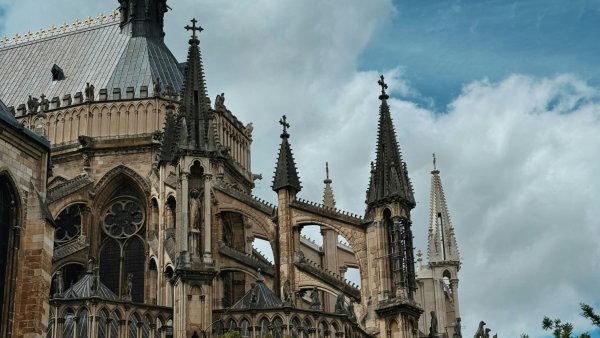
A Gothic temple whose imposing façade adorned with numerous sculptures and the iconic "Smiling Angel" testifies to the momentous history of the coronation of French rulers. -
Tau Palace
The former residence of the archbishops, today converted into a museum, where coronation artifacts and valuable works of sacred art are displayed. -
Basilica and Abbey of Saint-Remi
Romanesque complex featuring medieval stained glass windows, relics and architectural details reflecting the region's long religious history. -
Gate of Mars
A three-bay triumphal arch from the 3rd century AD, which is the widest surviving Roman monument, testifies to the city's former power. -
Historic Art Deco architecture
Buildings such as the Carnegie Library and Halles du Boulingrin commemorate the rebuilding of Reims after World War I, showcasing modernist design and innovative building solutions. -
Champagne houses and crayères cellars
Places where the tradition of champagne production takes on real dimensions - ancient cellars carved in chalk are the perfect backdrop for tasting traditional liquors.
Weather and climate
Reims has a mild climate that is conducive to sightseeing all year round. Pleasantly warm summers and mild winters make for comfortable strolls both through the historic streets and around the vineyards. Periods of spring and early autumn additionally offer a quieter atmosphere, which allows you to fully appreciate the charm of the city.
Why visit this place?
When visiting Reims, you can experience a harmonious blend of history, architecture and Champagne traditions. Each step through the city takes you back in time - from the Roman era, to the medieval coronations, to the modernist reconstruction after the war. Reims delights with a wealth of cultural attractions and local specialties that allow you to experience the authentic flavor of the region. The city also hosts numerous cultural events, such as fairs and music festivals, making every visit full of unforgettable experiences.
Practical information
Reims is well connected - there are TGV trains from Paris, and a local streetcar and bus network makes it easy to get around the city. Monuments, such as the cathedral and the Tau Palace, are located in the center, making it possible to explore them on foot. Numerous tours are available for tourists, and booking tours of champagne houses with crayères cellars allows for a deeper understanding of local traditions. Using local guides allows for a better understanding of the historical background and specifics of the region, and the optimal tour plan involves spending at least one to two days in Reims.